The very candidates that Trump has elevated or pushed to the right – in Texas, Georgia, Ohio and Alaska – are the ones who could be the most vulnerable in November’s midterm elections.
Trump’s personal brand is vulnerable, too. Almost immediately after Louisiana U.S. Senator Bill Cassidy lost his reelection bid to a Trump-backed primary challenger, Cassidy supported a Democratic measure to halt the Iran war.
And swing-district Republicans have expressed public queasiness over Trump’s deal with the Justice Department for a nearly $1.8 billion fund for supposed victims of “government weaponization.”
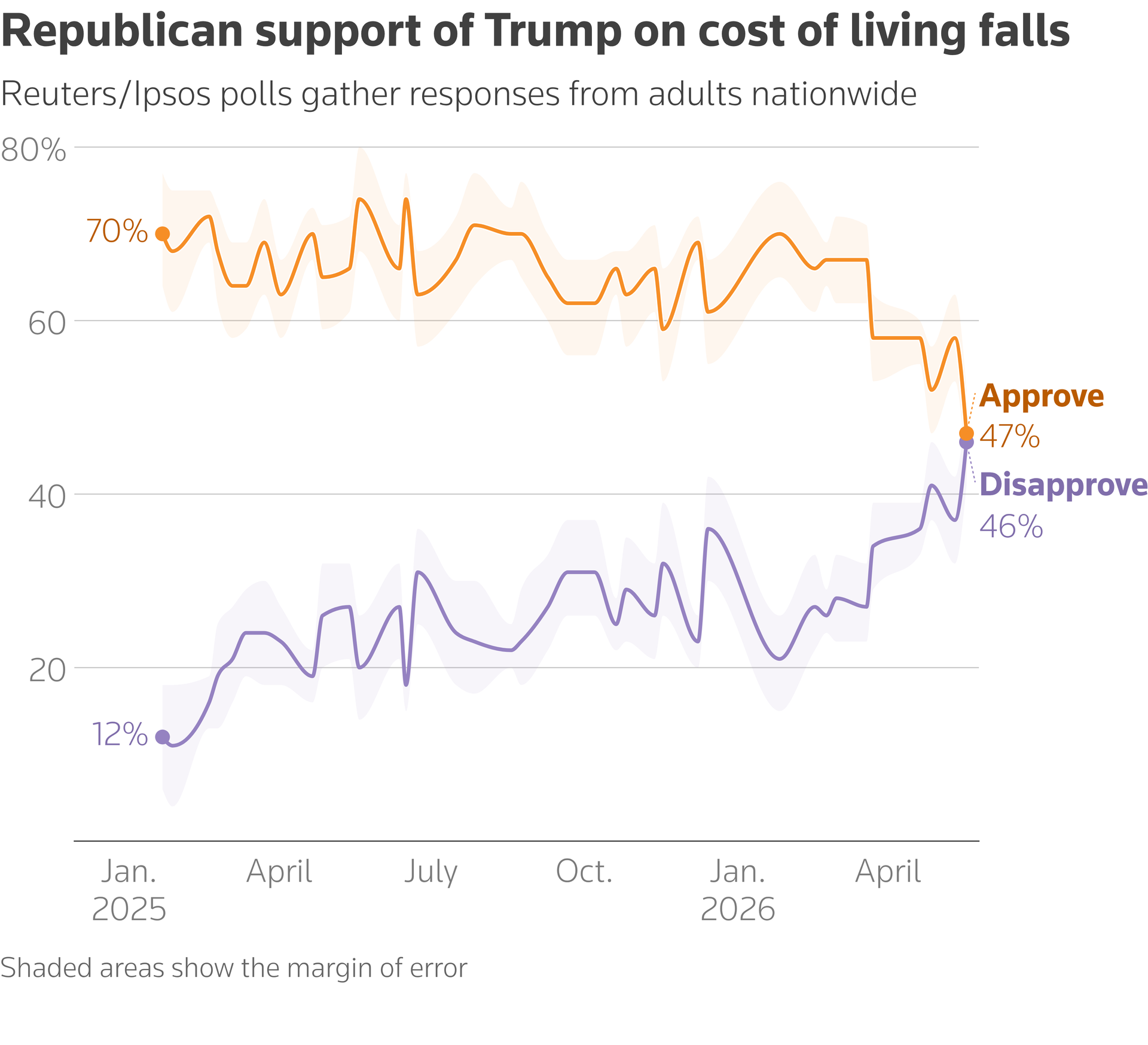
Those issues might be popular with diehard Republican primary voters but risk alienating the broader coalition conservatives need in general elections. And that’s what makes Trump’s legacy issues, like the ballroom and Iran war, so politically damaging.
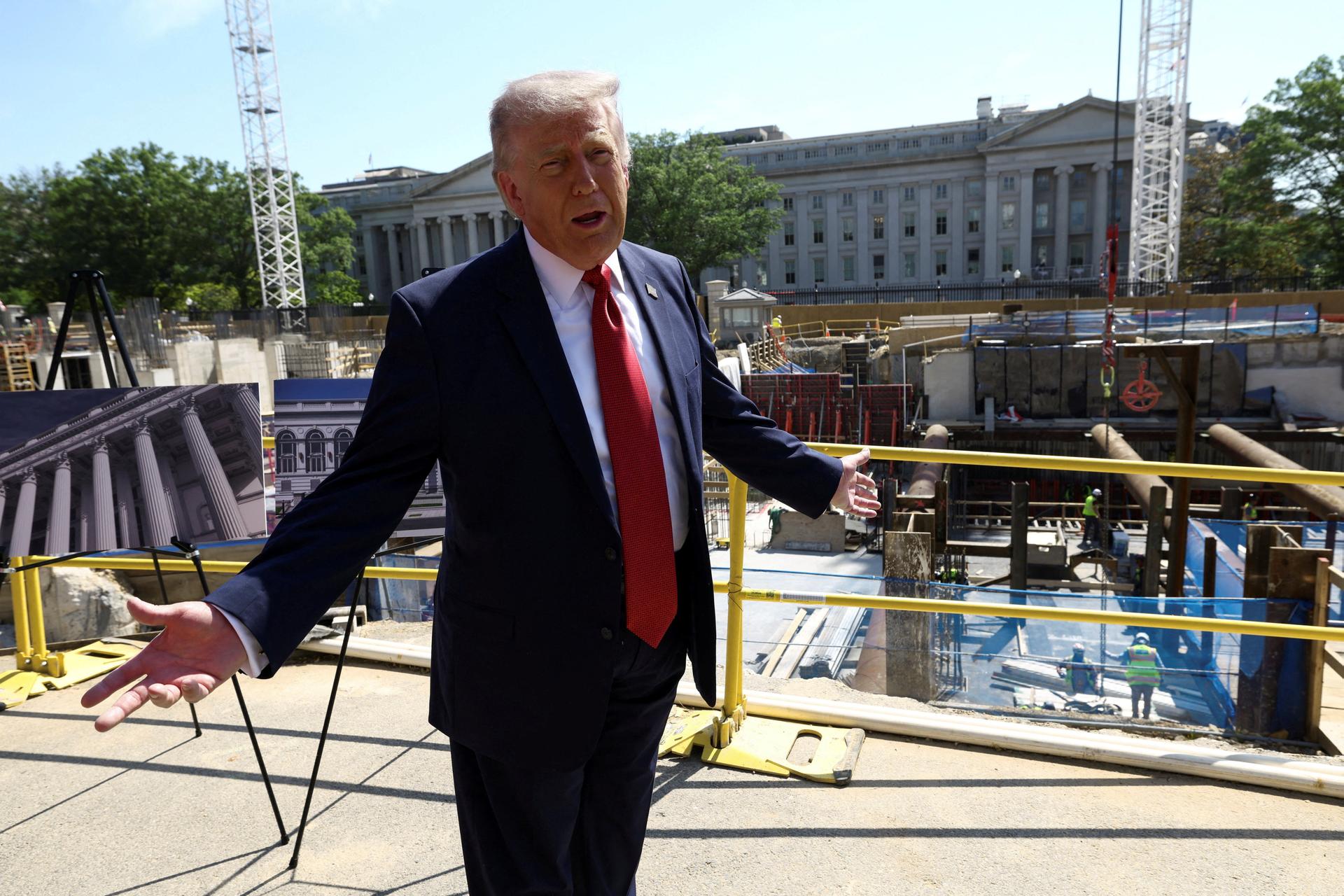
Staging a press conference beside the construction crater where the White House’s East Wing once stopod, Trump said the immediate damage to the U.S. from the Iran war was “peanuts” and that “I appreciate everybody putting up with it for a little while.” That comment drew criticism from Democrats, much like Trump’s statement last week that “I don’t think about Americans’ financial situation” when considering how to prevent Iran from building a nuclear weapon.
The $400 million ballroom, he said, would be paid for by wealthy individuals and corporations, but needed another $1 billion from Congress to fund additional security for the facility.
Senate Republicans have since stripped ballroom funding from the party-line bill conservatives are advancing to fund the Department of Homeland Security, worried about the political risks the issue could present when cost-of-living issues are front and center.
Trump is trying to cast his legacy issues as existential: nuclear nonproliferation, presidential security. But many Americans are unconvinced, and Trump’s party could pay the price.









Comments
Post a Comment