Good evening from the Middle East.
Seemingly, this whole region has been bracing for this day — or moreover fearing it would not come — in which talks between the Iranians and Americans would take place.
The stakes coming into the day were as high as could be. The general thinking has been if things here were to go south, war or at the very least military action seemed almost certain.
The meetings are over, and the delegations have gone their separate ways. Here are the big takeaways.
"A GOOD START"
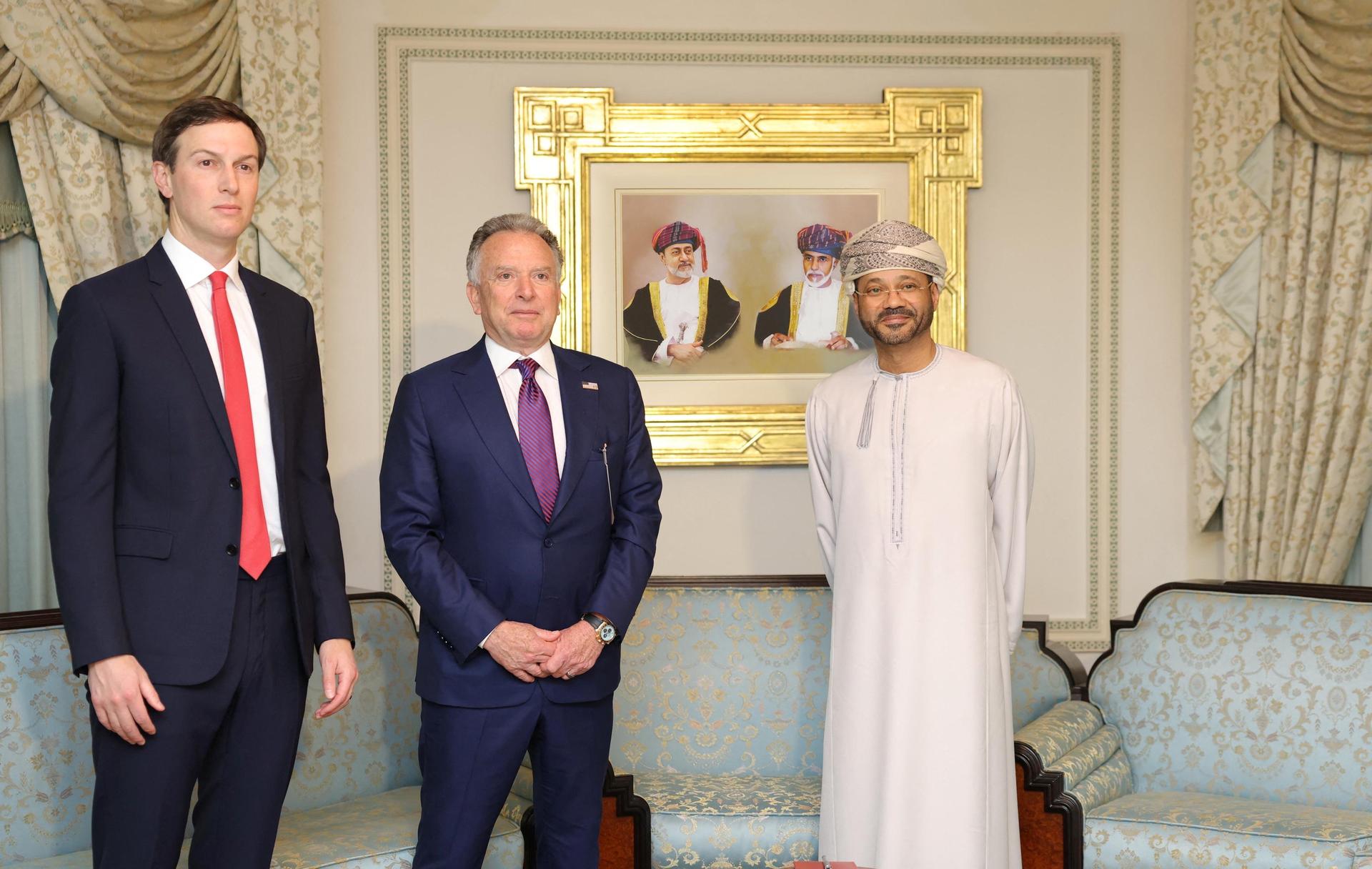
Iran's foreign minister has been in front of the cameras since the talks with the U.S. delegation, led by Special Envoy Steve Witkoff and Jared Kushner.
Here's what he told Iranian state television:
"After a long period without dialogue, our viewpoints were conveyed, and our concerns were expressed. Our interests, the rights of the Iranian people, and all matters that needed to be stated were presented in a very positive atmosphere, and the other side's views were also heard."
He said the tentative plan is for talks to pick back up again in a matter of days or weeks.
WHAT WAS DISCUSSED?
The U.S. has yet to weigh in on the specifics of these talks as of this writing, so the perspective we are gleaning is strictly from the Iranian side.
Iran contends that the only issue discussed today was its nuclear ambitions. Despite the State Department slamming the regime this week for funding militias around the Middle East and the brutal crackdown on demonstrators inside Iran, they didn't come up.
Remember, there was a time this week in which the talks were supposed to be in Turkey, then another in which it seemed they were canceled, then all of a sudden back on in Oman. Keeping the talks narrowly tailored to nuclear was a hard line for Iran this week.
So, if true, Iran drew a line in the sand this week, saying these were their terms of diplomacy, and the United States agreed to abide by them. Iran made the rules, and the U.S. followed them.
That's if you believe the Iranians at face value.
WHERE WE GO FROM HERE?
While the White House has kept its cards close to the vest on what was said, we have seen some action from the executive branch. This evening, President Trump signed an executive order establishing a system to impose "Secondary Tariffs" on the regime by hitting those who choose to trade with it.
"Beginning on the effective date of this order, an additional ad valorem rate of duty -- for example, 25 percent -- may be imposed on goods imported into the United States that are products of any country that directly or indirectly purchases, imports, or otherwise acquires any goods or services from Iran, in accordance with subsections (b) and (c) of this section."
So make no mistake about it, while there is optimism coming out of Iran that there will be more productive talks in the near future, the White House is upping the pressure on the regime as if there weren't enough already considering all the naval firepower here in the region right now, including the U.S.S. Abraham Lincoln Carrier Strike Group.
White House press secretary Karoline Leavitt left little mystery as to what the president's objective is.
"The President has been quite clear of his demand of the regime. Zero nuclear capability," Leavitt said, adding, "I would remind the Iranian regime the president has many options at his disposal as the commander in chief of the most powerful military in the history of the world."
Much more to come on this tense tit-for-tat.









 Megyn Kelly -> Pete Hegseth responds to 2017 rape accusation. 🔥 vol. 3, issue 13 | December 6, 2024 Quick Hits All the news you need in...





No comments: