By Jeff Mason, White House correspondent |
|
|
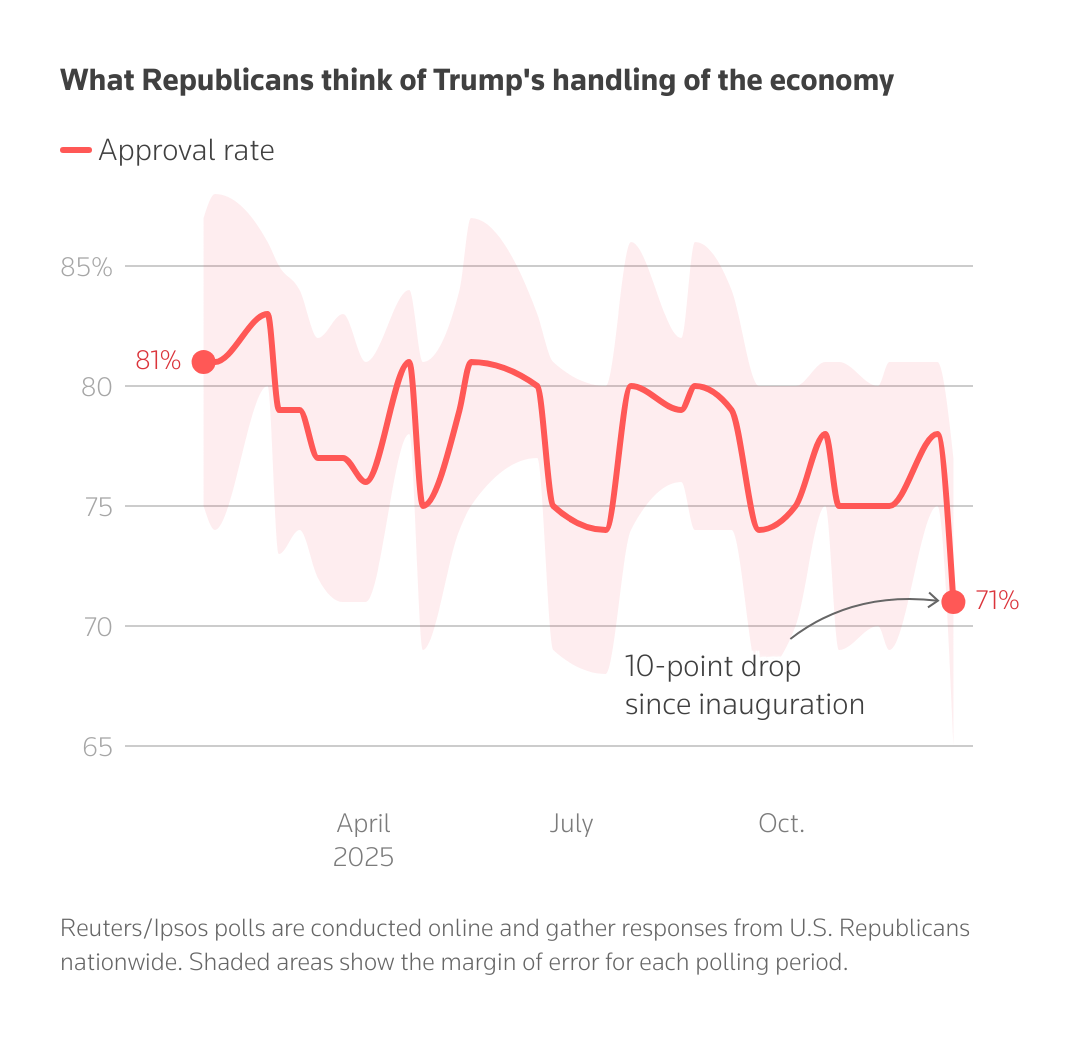
During a week of tragedy marked by a massacre in Australia, a mass shooting at Brown University, and the brutal killing of a Hollywood icon, President Donald Trump decided to hold a rare, prime-time address from the White House. The topic was not violence, however; it was a year-in-review, a chance to list his accomplishments in office and castigate his predecessor for the "mess" Trump said he left. Trump is closing out 2025 in a Trumpian way, claiming victories and fueled by grievance. Polls show he has reason to worry about the year to come. Americans are concerned about the economy, and they're not happy with how he's handling it.
We're taking a holiday break next week but we will see you in the new year. In the meantime, let us know if you have questions about Trump's second term going into its second year. |
|
|
Latest U.S. politics headlines |
|
|
Flanked by two decorated trees and backed by green garland, Trump's tableau-like setting in the White House Diplomatic Reception Room on Wednesday night was fit for a holiday message. He delivered one, but it was low on Christmas cheer. The president sped through his address, seemingly trying to cram a 90-minute rally speech into 18-minute remarks. The were essentially the same: Trump blames Democratic former President Joe Biden for inflation and pretty much anything else that he thinks is hobbling the country. The political challenge for the Republican president, of course, is that those problems are now his. Trump has presided over the economy for almost a year. Biden's attempt to tell people in 2024 that conditions were better than they perceived backfired, and the same tactic seems to be backfiring on Trump. A Reuters/Ipsos poll this week found only 33% of U.S. adults approve of how Trump, whose tariffs have stocked U.S. Treasury coffers but created uncertainty for consumers, has handled the economy. |
|
|
The president has set a combative tone in multiple other ways as well. This week he announced a "blockade" of all sanctioned oil tankers entering and leaving Venezuela and has hinted repeatedly at the possibility of U.S. action on Venezuelan soil. For a president who has actively campaigned for the Nobel Peace Prize and whose political base largely opposes U.S. intervention abroad, his strategy is not without risk. Meanwhile Trump, who condemned the Australia shooting during remarks at a White House Hanukkah reception on Tuesday, upset both Republicans and Democrats this week with his reaction to the murder of filmmaker Rob Reiner and his wife, Michele, who were prominent proponents of Democratic causes. Trump baselessly suggested that the couple died because of Reiner's opposition to the president. Even House Speaker Mike Johnson objected. "We have to appeal to our better angels, and I think we've got to amplify those voices and those sentiments," he told reporters. Those comments were more in keeping with a holiday message. Trump, who is slated to speak in North Carolina on Friday before spending Christmas in Florida, will have a chance to set a different, more empathetic tone then. History suggests he is unlikely to take it. |
Follow Reuters/Ipsos polling on the president's approval ratings here. |
|
|
China has weighed in on Trump's Venezuela moves. Beijing says it opposes what it calls "unilateral bullying" after Washington ordered a blockade of sanctioned tankers entering and leaving the oil-rich country but did not say exactly how it would come to the South American country's aid. |
|
|
U.S. President Donald Trump participates in a dignified transfer of the remains of two Iowa National Guard members killed in Syria, Sgt. Edgar Torres Tovar and Sgt. William Howard, and Ayad Mansoor Sakat, of Macomb, Michigan, who was working as an interpreter in Syria, at Dover Air Force Base in Dover, Delaware, U.S., December, 17, 2025. REUTERS/Nathan Howard |
|
|
- December 19: Trump gives a speech in North Carolina before Florida holiday trip
- December 29: Trump meets with Israeli Prime Minister Benjamin Netanyahu
- December 31: Affordable Care Act subsidies expire for millions of Americans
|
|
|
Reuters Politics U.S. is sent once a week. Think your friend or colleague should know about us? Forward this newsletter to them. They can also sign up here. Want to stop receiving this email? Unsubscribe here. To manage which newsletters you're signed up for, click here. This email includes limited tracking for Reuters to understand whether you've engaged with its contents. For more information on how we process your personal information and your rights, please see our Privacy Statement. Terms & Conditions |
|
|
|










 Megyn Kelly -> Pete Hegseth responds to 2017 rape accusation. 🔥 vol. 3, issue 13 | December 6, 2024 Quick Hits All the news you need in...





No comments: