Good afternoon,
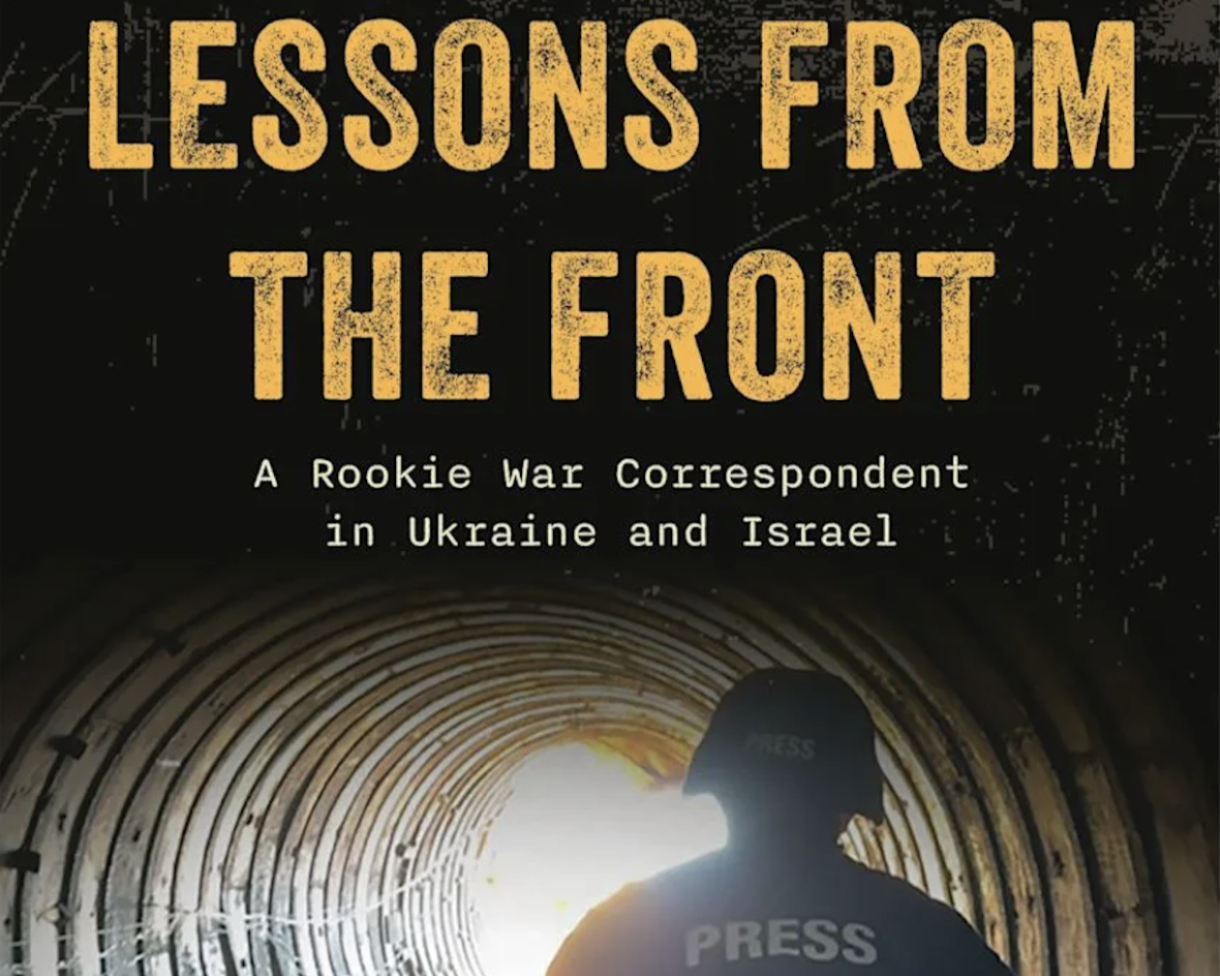
First, I just wanted to thank you all for making the launch of my book "Lessons from the Front" an unequivocal success.
In its first days, the book became:
- An Amazon Best Seller
- The #1 New Release in Russian/Soviet Politics
- The #1 New Release in Middle Eastern Politics
Additionally, it has been profiled in Forbes, featured in Variety and discussed on Bill O'Reilly, Chris Cuomo and Leland Vittert's programs. That's not even including all the radio stations we've hit in recent days.
We're confident we'll move through the backorder quickly to get deliveries in time for Christmas, so keep an eye on the Amazon page for dates to adjust. Ordering directly from the publisher, Bloomsbury, is also a quicker option.
You'll be seeing some more press in the coming days. Stay tuned!
Now, onto the international affairs of the day.
Ukraine
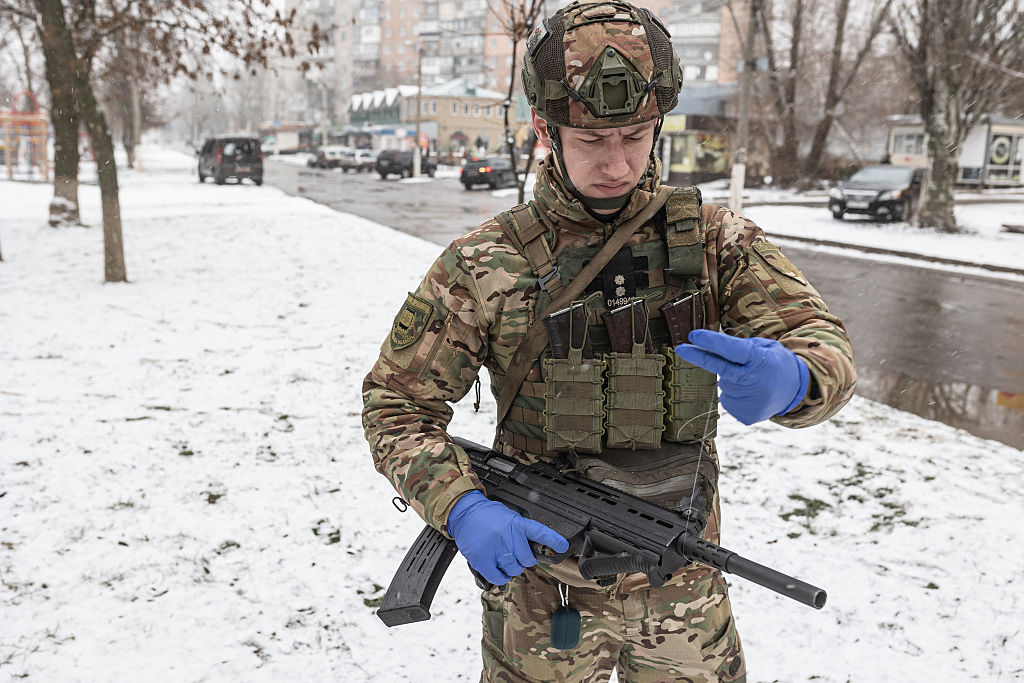
European leaders believe this might be the best opportunity to bring about the end of the war in Ukraine.
Negotiations have been ongoing involving American, European and Ukrainian negotiators.
"We're closer now than we have been," President Trump said, who has been keeping in touch with his team of Special Envoy Steve Witkoff and Jared Kushner.
The meetings have been taking place in Berlin, where Zelenskyy sounded optimistic as well.
"This does not mean that we now have a perfect plan, but it is a very workable version," Zelenskyy said.
As we have discussed, Ukraine's biggest concern is that a deal will be struck that temporarily halts the war and then gives Russia a strategic opportunity to reinvade again down the road.
In our conversations with President Zelenskyy in Kyiv, he said the heights in the Donbas that Ukraine currently controls would leave significant vulnerabilities if simply handed over to Russia. Those regions of Eastern Ukraine have proven difficult for Russia to take by force.
Few in Ukraine fear another Russian invasion will come under the Trump administration. The broader concern is what happens when the 48th president is sworn in. Will Russia respect the deal under a new president or possibly test the West again?
The current deal that is being put together includes NATO-esque security guarantees that mirror something equivalent to Article 5. They are significant enough they would require an act of Congress to approve. Hence, the optimism that is brewing in the West.
There is one caveat, however, and it's a big one: Russia still needs to agree to it.
Nothing is done until it's done, but we haven't seen collective optimism from the U.S., Europe and Ukraine like this since the war broke out.
The Caribbean
The United States military has been flexing its muscles in the Caribbean. Carrier Strike groups are idling in the region, Destroyers are tied off in the harbor, while F-18s, F-35s and Ospreys rumble through the skies.
It is an unprecedented amount of firepower in the region. Nevertheless, lawmakers are seeking clarity on what the administration's endgame is.
Today, Secretary of State Marco Rubio and Secretary of War Pete Hegseth were on Capitol Hill briefing senators and House members on what the objectives are.
Following that meeting, Sen. Lindsey Graham told reporters the Venezuelan president, Nicolas Maduro, must go.
"If after all this, we still leave this guy in power … that's the worst possible signal you can send to Russia, China, Iran," he said.
The president has kept his cards close to the vest, saying he doesn't want to give away his strategy. Democrats fear that if all options really are on the table, that could include boots on the ground.
"I'm not sure where he's headed here," Sen. Mark Warner said on ABC's "This Week." "I do fear that boots on the ground in Venezuela could be a disaster."
The president has said publicly Maduro's days "are numbered."
One person who has been outspokenly in support of the U.S. operations, including the recent seizure of a tanker off Venezuela's coast, is Maria Machado. The Venezuelan opposition leader is in Norway after winning the Nobel Peace Prize and believes pressure is necessary.
"We need to increase the cost of [Maduro] staying in power by force," she said on CBS' "Face the Nation" Sunday. "Once you arrive at that point in which the cost of staying in power is higher than the cost of leaving power, the regime will fall apart."
To this point, Venezuelan President Nicolas Maduro has remained defiant. State television in the country continuously airs footage of its troops drilling and training in preparation for the U.S. operations to come ashore.
"Venezuela has experienced in these 25 weeks of aggression, psychological terrorism, military threats, pirate assault, assault and kidnapping of a vessel with Venezuelan oil that we experienced in recent days," Maduro said. "We have adjusted, we have perfected our vision of the national defense system."








 Megyn Kelly -> Pete Hegseth responds to 2017 rape accusation. 🔥 vol. 3, issue 13 | December 6, 2024 Quick Hits All the news you need in...





No comments: