Whatever you think of Your Party and the various analyses it's prompted, one thing should not be forgotten: this is a near-unprecedented experiment in grassroots democracy in the UK.
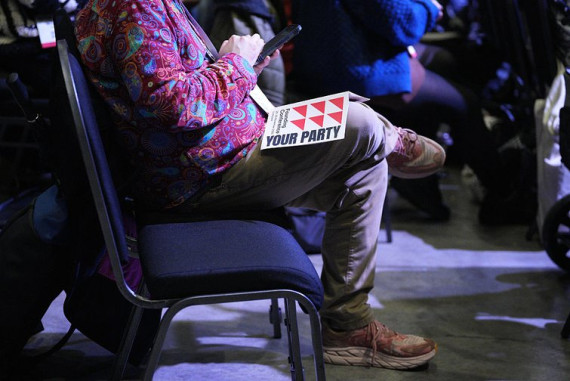
In recent months, hundreds of people across the country have worked together to organise Your Party meetings, often at a couple of days' notice, with the gatherings attended by many thousands more.
The whole process may have been far from perfect and was certainly done in a rush, not least with the local and Scottish and Welsh parliamentary elections looming in May, but Your Party now has the potential to embed this kind of grassroots accountability in its culture, even if the challenges it faces are huge.
After all, the current national economic culture is rooted in the neoliberalist model that is diametrically opposite to the outlook of Your Party. That model is essential to the ensuring the UK's super-wealthy elite continue to thrive and is supported by the national print media and its singularly wealthy owners, making it even harder to take on.
In the United States, Donald Trump's second term is seeing the results of Project 2025, the detailed preparation for office generated by the far-right Heritage Foundation think tank. Here in the UK, a similar process is underway. This is loosely termed Project 2029 and, according to Byline Times, involves a political lobbyist linked to the Heritage Foundation working with Reform UK in the run-up to the 2029 General Election.
From that perspective, the best development would be for Reform to merge with and dominate the Tory Party, and win the election with the help of advice and funding from Trump-land.
A year ago that would have seemed a tall order but politics in the UK really is in a state of flux. Labour won a landslide last year with less than 34% of the vote and is now in the doldrums, while the Green Party now has a larger membership than the Conservatives, largely thanks to its surging popularity under new leader Zack Polanski.
As to Your Party, much will depend on its capacity to build on the commitment shown in Liverpool, rising above and healing internal divisions in the process.
We already know that things can change with astonishing rapidity and that new ideas and approaches can come seemingly from nowhere. The impact of the Polanski leadership on the Greens is a good example, but two others over the past decade should be remembered.











No comments: