Reform is also vulnerable in its attempts to claim it is standing up for the ordinary person against a woke and distant elite. That simply doesn't add up; given the considerable wealth floating around the Reform leadership and its funders, it is not difficult to present them as the true elite.
Finally, a serious weakness for Reform and the Tories is their Cnut-like denial of climate breakdown and their addiction to fossil carbon. The folly of that stance may well come to haunt them over the next three years, as more and more ordinary people across the UK experience floods, or wildfires, or other climate crisis-related weather phenomena.
Then there is the other side of the political scales, starting with the election this week of Zack Polanski as the Green Party leader. Polanski has not yet ruled out working with Sultana and Corbyn, and there is time for local electoral pacts to be negotiated in forthcoming elections, especially the many local elections and the Scottish and Welsh national elections taking place next May.
We also should not discount the Liberal Democrats, who have considerable geographical concentrations, north and south of the border. In Scotland, in particular, there are plenty of new, younger politicians coming through, just as there are in the Scottish National Party. Your Party is also likely to lead to the emergence of new political figures on the progressive left in the coming months, while others may decide to defect from Labour to the party.
A couple of other elements are worth watching, too. Sultana, Polanski and Corbyn are all highly committed politicians and very effective communicators. Expect to see a lot more of them, even on the legacy media.
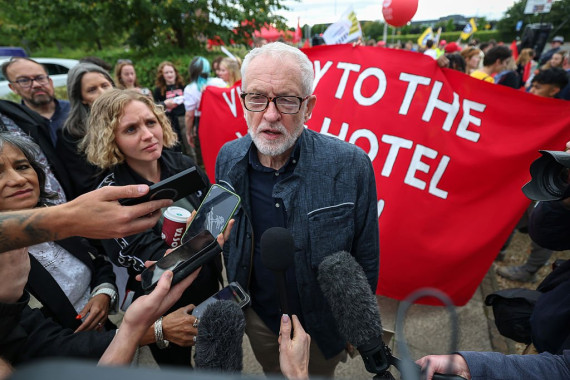
Of them, Corbyn is key. He is not remotely a rabble-rouser, yet for the past ten years, he has maintained a formidable and dedicated network of supporters – even at very difficult times. It is very easy to dismiss what he stands for as being from the past, but perhaps it is actually from the future.










No comments: